














10 Best Exercises for Stronger Lungs
Discover the 10 best exercises to strengthen your lungs naturally. From diaphragmatic breathing to swimming and yoga, improve lung capacity, boost stamina, and breathe easier with these expert-recommended techniques.

Your lungs are vital for supplying oxygen to your body and removing waste gases. Keeping them strong improves stamina, reduces fatigue, and boosts overall health. Whether you're recovering from illness or want better breathing efficiency, targeted exercises can help. This guide explores 10 practical and effective ways to strengthen your lungs naturally. By incorporating these activities into your lifestyle, you can breathe easier and live healthier every day.
1. Diaphragmatic Breathing (Belly Breathing)
Diaphragmatic breathing trains your diaphragm to work efficiently. It encourages deeper, slower breathing using the belly rather than shallow chest breathing. Lie on your back, place one hand on your stomach, and inhale deeply through your nose. Let your belly rise as you breathe in and fall as you exhale through your mouth. This technique helps improve oxygen intake, reduces breathlessness, and enhances lung capacity with consistent practice.
2. Pursed-Lip Breathing
This breathing method helps slow down your breathing rate and keeps airways open longer. Inhale through your nose for two seconds, then exhale slowly through pursed lips for four seconds. It is especially beneficial for people with asthma or COPD. It relieves shortness of breath and helps release trapped air in the lungs. Pursed-lip breathing also supports better oxygen exchange and improves breathing control during exertion.
3. Walking at a Moderate Pace
Walking is a simple aerobic activity that supports lung strength and endurance. A brisk walk increases oxygen demand and helps your lungs function more efficiently. Aim for 30 minutes of walking at least five days a week. Try to walk at a pace that raises your heart rate but still lets you speak comfortably. Over time, this improves circulation, breathing rhythm, and stamina for daily activities.
4. Swimming
Swimming requires controlled breathing and constant oxygen flow, making it ideal for lung training. As you move against water resistance, your heart and lungs work harder to meet oxygen needs. Breathing patterns become deeper and more regular with each stroke. Swim laps or join water aerobics sessions for 2030 minutes a few times a week. It not only strengthens lungs but also improves flexibility and cardiovascular health.
5. Interval Training
Interval training alternates short bursts of intense activity with rest periods. This forces your lungs to quickly adapt to changes in oxygen demand. For example, jog for one minute, then walk for two minutes, and repeat. Its excellent for building lung capacity, increasing stamina, and improving oxygen use during workouts. Just 2030 minutes of interval sessions a few times a week can show great results.
6. Breath Holding Exercises
Breath holding increases the amount of air your lungs can hold. It also improves your ability to manage oxygen during physical stress. Take a deep breath and hold it for about 1015 seconds, then exhale slowly. Repeat this 45 times in a session. With regular practice, your lung capacity expands, and your breathing control improves during both rest and activity.
7. Singing or Playing Wind Instruments
Singing and playing instruments like the flute or harmonica require breath control and sustained exhalation. These activities train the lungs to manage airflow efficiently and strengthen breathing muscles. Practicing for 1530 minutes a day can gradually improve your respiratory performance. Even humming or vocal exercises can support lung strength. This is also a fun and therapeutic way to maintain respiratory health.
8. Yoga and Pranayama
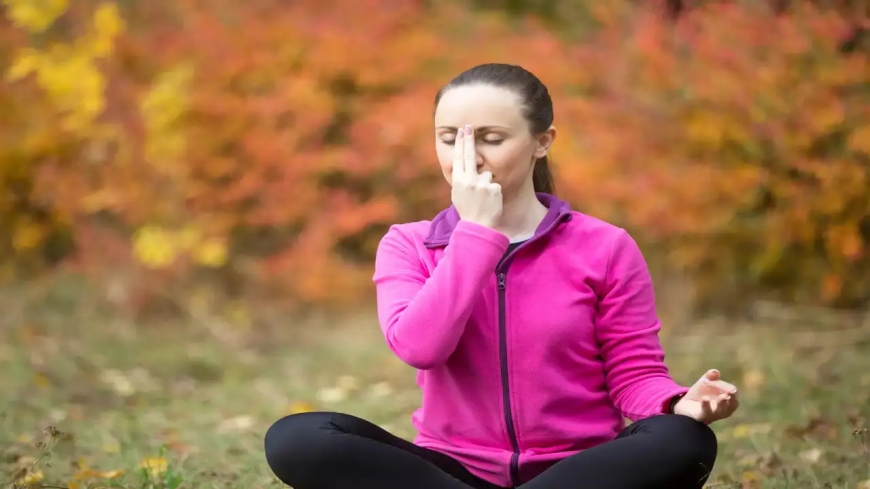
Yoga combines physical movement with breathing control techniques known as pranayama. Exercises like Anulom Vilom (alternate nostril breathing) and Bhramari (humming breath) promote better oxygen exchange. Yoga poses also open up the chest and improve posture for better lung expansion. Practicing regularly reduces stress, strengthens the respiratory system, and enhances breathing depth. Its perfect for both beginners and those with respiratory conditions.
9. Biking or Cycling
Cycling increases your heart rate and makes your lungs work harder to supply oxygen. This helps improve endurance, lung strength, and overall aerobic capacity. Whether outdoors or on a stationary bike, aim for 2040 minutes per session. Maintain steady breathing and build intensity over time. Cycling is a great way to boost both cardiovascular and respiratory health simultaneously.
10. Blowing Balloons
Blowing up balloons may seem simple, but its an effective lung-strengthening exercise. It forces your lungs to work harder during exhalation, training the diaphragm and intercostal muscles. Inflate 23 balloons in a row, rest, and repeat for 35 sets. Over time, this improves breath control and lung capacity. Its a fun, low-effort way to support lung health, even for kids or seniors.
Click here to consult Dr. Sultan Saeed Anwar for breathing issues
Final Thoughts
Stronger lungs mean better breathing, higher energy, and improved quality of life. These exercises can benefit anyone, from athletes to seniors to people recovering from illness. Practice regularly, stay active, and maintain good posture to support lung function. Avoid smoking, stay hydrated, and eat lung-friendly foods for added benefits. If you have chronic respiratory issues, consult your doctor before starting any exercise. Breathe betterlive better.