














Why Chimney Liners Are Required by Building Codes
A chimney liner directs smoke and gases safely out while protecting chimney walls from heat, corrosion, and fire hazards for a safer, more efficient home.

If you've ever sat by the fireplace on a chilly night, you probably haven't thought too much about what happens above the flames. Yet, hidden inside your chimney is a crucial piece of the puzzle that keeps you, your family, and your house safe: the chimney liner. While at first glance, it might seem like an extra layer you could do without, there's a reason local and national building codes insist on having one. These rules arent just there to make things complicatedtheyre meant to protect everyone inside those four walls. Lets take a little journey up the flue to understand why these liners matter so much, and why youll always find the wordschimney linersin the fine print of the codebook.
Key Features: What Makes Chimney Liners Stand Out?
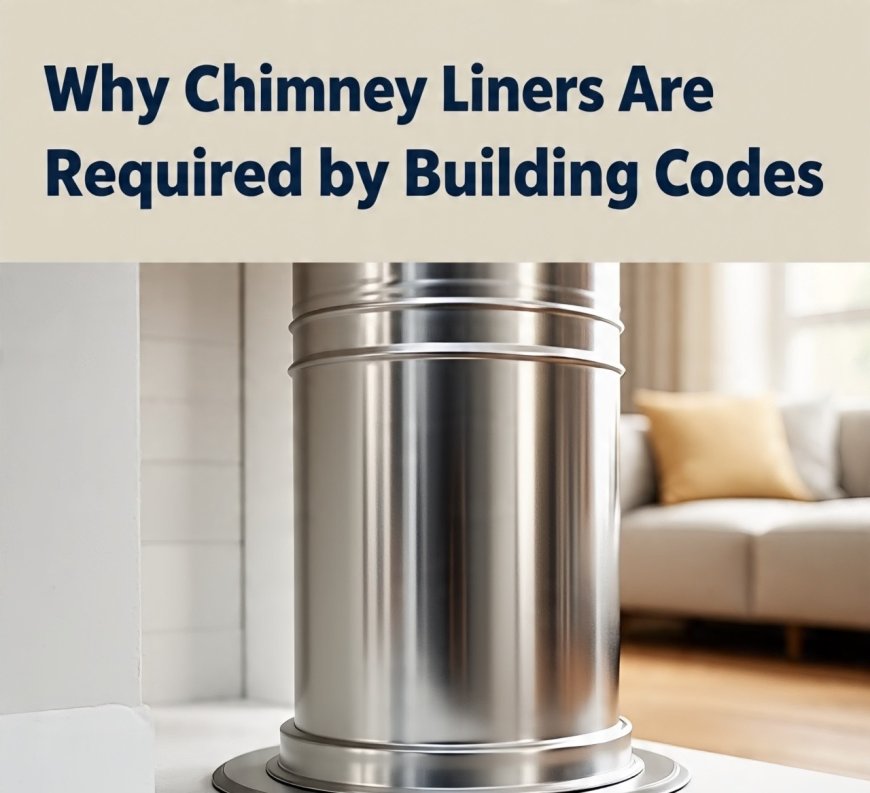
Imagine your chimney without a liner. Its a straight shot from your fireplace or furnace to the open air, with nothing shielding your home from heat, smoke, and stray sparks. Now, picture a liner as a sturdy inner tube, hugging the inside of your chimney. Its designed to handle extreme temperatures, prevent dangerous gases from leaking out, and keep the brickwork from crumbling over time.
There are several types of chimney linerssome are made from tough stainless steel, others from clay tiles or special cement. Each has its pros and cons, but all share one big job: forming a reliable barrier between the burning fire and the rest of your house. This lining makes sure the smoke and fumes go exactly where theyre supposed tooutside, not into your living room or attic.
| Type of Chimney Liner | Main Benefit | Typical Lifespan |
|---|---|---|
| Stainless Steel | Highly durable and flexible, fits most chimneys | Up to 25+ years |
| Clay Tile | Cost-effective and classic, good for wood-burning | 2050 years |
| Cement/Concrete | Seals cracks, often used for repairs | 2030 years |
Safety: The Real Reason the Codes Exist
Now, heres where things get serious. Without a liner, the high heat from your fireplace can quickly wear down the inside of your chimney. Over time, cracks can form, and before you know it, sparks or dangerous gases like carbon monoxide could sneak into your home. Thats a risk nobody wants to take. Chimney liners not only keep the bad stuff out of your house, but they also slow down the wear and tear on the chimney itself.
When building codes say you need a liner, its not just paperworkits a direct line to safer nights by the fire. In fact, the National Fire Protection Association has found that most chimney fires happen in chimneys without a proper liner or where the liner is damaged. Its like wearing a helmet when you bike: its an extra step, but one that could save your life.
The best fire is a safe fire. A chimney liner is your fireplaces silent guardian, working behind the scenes to keep your home protected.
Cost: Spending a Little Now Saves a Lot Later
Some folks might hesitate about installing or replacing a chimney liner, thinking about the upfront expense. But heres the secret: a good liner could save you a mountain of money down the road. Think about itwithout a liner, your chimney bricks and mortar are exposed to moisture, acids, and heat. That leads to cracks, crumbling, and repairs that cost way more than a liner ever would.
And if your insurance company finds out you skipped the liner, they might not pay out if theres ever a fire or carbon monoxide incident. So, spending a little upfront on a quality liner is really an investment in your homes future, and in your own peace of mind.
Emergency Service: When Things Go Wrong, Liners Matter Most
Picture this: its the dead of winter, and suddenly smoke starts pouring out of your fireplacenot up the chimney, but back into your living room. Thats the kind of emergency nobody wants. When something goes wrong, having a solid, undamaged liner can make all the difference. It contains the problem, keeps the rest of your house safe, and makes it easier for emergency crews to help.
If you ever need a professional to check your chimney or fix a fire-related issue, the first thing theyll look at is the condition of your liner. In a real emergency, this hidden layer is your chimneys last line of defense.
Conclusion: The Unsung Hero of Every Fireplace
To sum it up, chimney liners are more than just a building code requirementtheyre a vital shield protecting your home, your wallet, and the people you care about. Whether youre building a new home or updating an old fireplace, dont overlook this crucial safety feature. The next time you settle in to watch the flames dance, remember the liner quietly doing its job, making sure your cozy fire is both safe and sound.
Read More: Bellingham Chimney Sweep