













Comparing Light, Medium, and Heavy-Duty Tarpaulins
Tarpaulin sheets are used in home and garden you can use any type of tarpaulin such as Heavy Duty Tarpaulins & Canvas Tarpaulins. Tarps are totally waterproof.
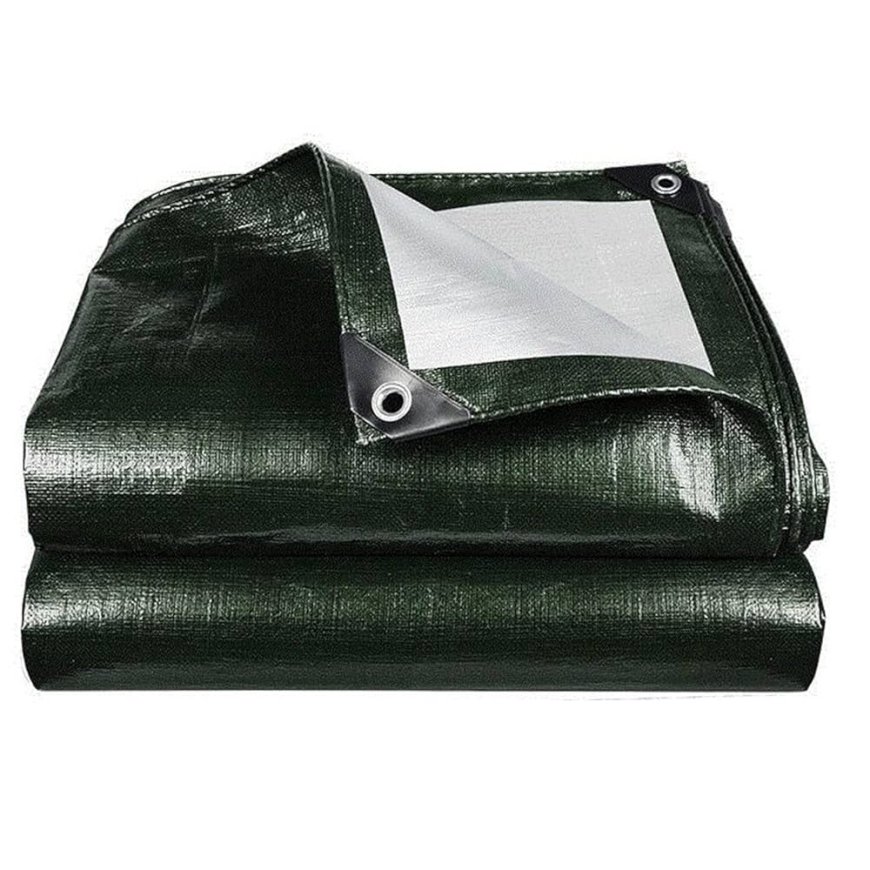
A tarpaulin, which is the other name for tarps, is a flexible textile product that is applied in different ways, such as outdoors or in construction. Naturally, the choice depends on the particular needs of the user and the planned application. The purpose of the paper is to describe the differences between light, medium, and heavy-dutyTarpaulin, focusing on their unique features, uses, and advantages.
Light-Duty Tarpaulins
Light-duty tarpaulins are the simplest and the cheapest of the three types. Normally, they are made from a thin layer of polyethylene or other suitable materials which makes them light and convenient to handle.
Characteristics
-
Thickness: Usually 0.05 to 0.1 mm.
-
Weight: Around 30 to 50 grams per square meter.
-
Durability: Only for the short term, and the best option for this use.
-
Water resistance: It is a basic means of protecting against light rain.
-
UV resistance: Sun damage falls under the mild/slight category, as some protection can be provided against it.
Common Uses
-
Of course, this can be used to shield outdoor stuff from the sun.
-
Ground mats for picnics or camping.
-
Debris curtains while painting or performing minor renovations.
-
Protection from Weather Emergencies.
Advantages
-
They are inexpensive and available everywhere.
-
Because of their being light, their smooth storage and transportation are a piece of cake.
-
Best for Occasional or One-time Use.
Medium-Duty Tarpaulins
Medium-duty tarpaulins are the perfect compromise between price and lifespan. They are typically more powdery than the light-duty recycling, but avoiding the problem of brittleness lasts longer. They are lighter and more ductile, still answering the needs of the users, not so compromised.
Characteristics
-
Thickness: Most of the time, 0.1 to 0.2 mm.
-
Weight: 50 - 100 g/m^2.
-
Service life: It can be used moderately and approximately regularly.
-
Water resistance: It provides good protection against rain or moisture.
-
UV resistance: It provides better resistance to sun damage.
Common Uses
-
Wrap for boats or vehicles during the off-season.
-
Protecting construction supplies on the job.
-
Creation of temporary shelters or awnings.
-
Use as a cover for a hay bale or agricultural equipment.
Advantages
-
They are sturdier than light-duty ones, and still, their price is very reasonable.
-
Their versatility enables them to be used in a variety of situations.
-
Tougher against rips and abrasions.
Heavy Duty Tarpaulins
Heavy Duty Tarpaulin sheets, being extremely robust and robust, are the best option for using them in the most severe applications with long-term use in hard conditions.
Characteristics
-
Thickness: At least 0.2 mm thick and can reach up to 0.5 mm sometimes.
-
Weight: Over 100 g per square meter.
-
Durability: Great, for long-term and heavy-duty use.
-
Water resistance: It provides maximum protection against heavy rain and long exposure to moisture.
-
UV resistance: It has the highest sun damage protection, as there is no leakage of UV rays through it.
Common Uses
-
Outdoor storage of industrial equipment for a long period.
-
Heavy industries like construction and metalworking.
-
Truck wraps for the transfer of goods.
-
Strong roofing membranes for temporary structures.
Advantages
The tarpaulin is an all-weather cover that provides maximum strength and resistance to heavy weather conditions. They will keep you from spending too much in the future if you get them, and their durability makes them a cost-effective and long-term investment. They do not immediately tear or come apart under the additional pressure and tension placed on them. Sometimes they are developed with extra strong strands on the fringes and with hole-securing devices that are very powerful.
Choosing the Right Tarpaulin
When selecting a tarpaulin, several factors should be considered:
-
Intended use: Consider the specific application and the level of protection required.
-
Duration of use: For short-term projects, light-duty tarps may suffice, while long-term applications may require heavy-duty options.
-
Environmental conditions: Consider the weather conditions the tarp will be exposed to.
-
Budget: Balance the initial cost with the expected lifespan and level of protection needed.
-
Size and weight: Consider the ease of handling and storage, especially for frequent use or transportation. Read This
Conclusion
Differentiating among light, medium as well and heavyweight tarpaulins is fundamental to the entire thing. Light-duty tarps are best used for limited periods and on days when the weather is not too severe. Medium-duty tarps are the best compromise between endurance and economy for regular and domestic use. Heavy-duty tarps are the best to protect for demanding, long-term applications in harsh conditions, and you need them more than anything. By attentively recognizing the exact requirements and situations, one can select the most suitable tarpaulin that will give the required protection and give you the most value for your money.