















The Economics of End-of-Life Cars: From Rust to Revenue
Explore how used car buyers and vehicle dismantlers in Sydney contribute to the car economy by turning old cars into resources through parts recovery and recycling.

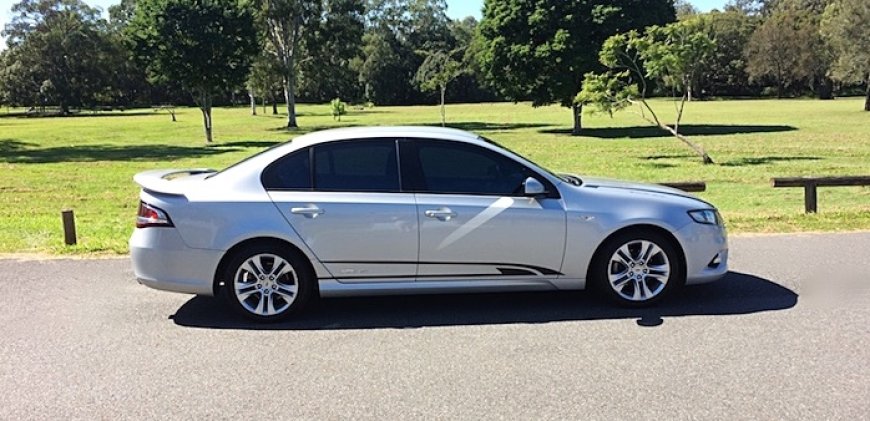
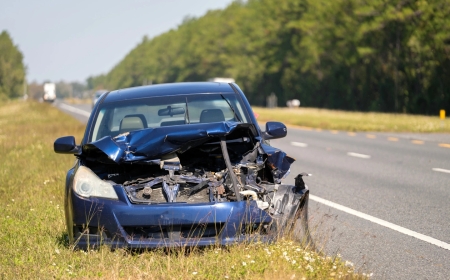
Cars do not last forever. Whether through mechanical failure, accidents, or simply age, every vehicle reaches a stage where keeping it on the road no longer makes sense. While many see old or broken-down cars as a problem, there is another side to the story one built on parts, labour, metal, and trade. In Australia, the process of handling end-of-life vehicles is not just about clearing space; it plays an active role in the economy.
What Happens When a Car Reaches the End?
When a car is no longer worth repairing or driving, it enters what is known as the end-of-life stage. This point usually arrives when repair costs are too high compared to the market worth of the vehicle, or when parts are hard to find.https://www.carremovalsydney.com.au/
Once this stage is reached, the car is either sold privately, handed over to wreckers, or left unused. Those who collect these vehicles then begin the process of turning them into something useful either for parts, scrap metal, or resale of materials.
The Value Hidden Inside Scrap Cars
Even when a vehicle no longer runs, many of its parts can still function. Items like alternators, radiators, seats, mirrors, bumpers, gearboxes, and wheels often remain intact. These parts are removed carefully and stored for resale.
There is a constant demand for car parts in Australia, especially for older models no longer supported by dealerships. For many people and workshops, used parts provide a practical way to repair vehicles without buying new items.
Beyond the parts, scrap cars also contain metal. Most cars are made using a mix of steel, aluminium, copper, and plastics. Steel, in particular, is recovered in high amounts and sent to local recycling facilities where it is melted and reused.
According to the Federal Chamber of Automotive Industries (FCAI), Australia processes hundreds of thousands of end-of-life vehicles each year. These contribute to the supply of secondary raw materials used across several industries.
Jobs and Local Trade
The vehicle recycling industry supports a chain of jobs, from removal drivers and dismantlers to warehouse workers and small business operators. In cities like Sydney, wrecking yards play a major part in local economies. They help source parts, manage waste, and connect with mechanics who rely on pre-owned components to finish their repairs.
Many small workshops rely on these yards to provide items quickly, allowing them to keep their customers vehicles running. The relationship between wreckers and small businesses is one built on daily transactions, trust in quality, and mutual support.
Environmental Responsibility
Dealing with old cars is not only about money. There is an environmental need to process them in a way that limits pollution and recovers as much material as possible.
When a car is wrecked, all fluids such as engine oil, transmission fluid, brake fluid, and coolant must be drained properly. Tyres are also separated, and batteries are stored safely due to the risk of chemical leaks.
Every part that is reused prevents the need to produce a new one, which saves resources and reduces emissions. Metal recycling also uses less energy compared to mining and processing new metal.
Australias wrecking industry plays a quiet role in lowering landfill waste. By handling cars with care, they help turn what would be discarded into useful materials again.
A Link in the Chain of Supply
In many suburbs and industrial areas, used parts from wreckers are delivered to repair shops, listed online, or collected by car owners who enjoy working on their vehicles. These parts move quickly, and many get reused within days of removal.
Some vehicles, especially those still in fair shape, are picked up by businesses focused on resale. These vehicles are fixed and sold to drivers who are looking for a second-hand car. This is where the role of a Used Car Buyer becomes important.
A used car buyer looks at cars that may seem too old or worn for the average driver, yet still hold value. The vehicle might be sold whole or parted out depending on its condition. This step in the process helps people get money for cars they no longer need while also feeding the demand for used vehicles and parts.
Businesses that operate in this space, like Car Removal Sydney, make it easier to move end-of-life vehicles from homes, farms, and backyards into the right channels. These services not only help owners clear space but also bring the vehicle back into the recycling or resale economy, especially when working with wreckers and buyers who focus on parts and metal recovery.
Economic Numbers Behind the Trade
Estimates from the Australian Bureau of Statistics show that motor vehicle recycling, including wrecking and materials handling, contributes millions of dollars to the national economy each year. Most of this activity happens behind the scenes but affects a wide range of businesses from manufacturing and repair shops to steel production and export.
The price of scrap metal changes based on global demand, which means some wrecking yards watch the markets closely. When prices are high, selling crushed car bodies becomes more profitable. When prices dip, more focus is placed on selling individual parts.
There is also international trade in used engines and gearboxes, especially to nearby countries where demand for second-hand parts remains strong.
More Than Just Metal
Old vehicles also hold items that have nothing to do with function. From old radios to spare change, every car has its share of hidden surprises. Workers often find old documents, CDs, tools, and personal belongings that owners forget to remove. These items are sorted and held for a time, in case they need to be returned.
This human side of the trade adds another layer to the work. Cars are often linked to memories, and sometimes those who sell them have owned the same vehicle for many years.
Looking Ahead
As the number of electric and hybrid vehicles increases, the process of dealing with end-of-life cars will change. Batteries require special handling, and new technology may make some parts harder to remove or reuse. Still, the basic idea remains the same take what still works, recover useful materials, and keep waste out of landfills.
The industry will need to grow with this shift. Training workers to handle modern systems and building new methods for recycling batteries and electronics will become a bigger part of the trade.
Final Thoughts
The journey of a car does not always end with its final drive. Across Australia, end-of-life vehicles continue to support repair needs, parts supply, and recycling networks. While rust may mark the end of the road for a vehicle, it does not mark the end of its worth.
Through smart handling, labour, and local trade, these cars are broken down, sorted, and reused in ways that help people, protect the environment, and support the economy one old part at a time.