














How Effective Are Laser Treatments for Melasma in Islamabad?
Get expert Melasma Treatment in Islamabad with advanced laser & skincare solutions. Safe, effective, and personalized care for clear, even-toned skin.


Melasma, known for its stubborn, dark patches of pigmentation on the face, can be frustrating to manageespecially when creams and home remedies fail to deliver lasting results. In recent years, laser technology has emerged as a powerful tool in the treatment of melasma, offering hope to those with persistent or severe cases. As awareness around advanced skin therapies grows, many people are now turning to Melasma Treatment in Islamabadspecifically laser-based solutionsfor effective, long-term improvement. But how effective are laser treatments, and are they the right choice for everyone? Lets explore the science, benefits, limitations, and what to expect from laser therapies for melasma.
What Makes Melasma So Difficult to Treat?
Melasma is a form of hyperpigmentation that often affects the cheeks, forehead, nose, upper lip, and chin. It's influenced by multiple triggersmost notably UV exposure, hormonal changes (such as during pregnancy or while on contraceptives), genetics, and inflammation. What makes melasma particularly challenging is its tendency to recur and its resistance to conventional treatment methods like topical creams or chemical peels, especially in deeper or dermal pigmentation cases.
How Do Lasers Work for Treating Melasma?
Laser therapy works by targeting excess melanin (the pigment responsible for melasma) within the skin. Different wavelengths of light penetrate various depths of the skin and break up pigment clusters so the body can naturally absorb and eliminate them. Unlike topical creams, which may only affect the uppermost layers of the skin, lasers can reach deeper pigment layers, especially in mixed or dermal melasma.
There are several types of laser treatments used for melasma, with the most common options including:
-
Q-switched Nd:YAG Laser
-
Fractional Lasers (like Fraxel)
-
Picosecond Lasers
-
Low-Fluence Lasers
Each laser has a different wavelength, intensity, and mechanism of action, which a dermatologist will select based on your skin type and melasma depth.
Q-Switched Nd:YAG Laser: A Popular Choice in Islamabad
One of the most commonly used lasers for melasma in Islamabad is the Q-switched Nd:YAG laser. It delivers energy in short, controlled pulses that specifically target melanin without harming the surrounding skin. This makes it a safer option, especially for individuals with darker skin tones who are more prone to side effects like post-inflammatory hyperpigmentation (PIH).
Q-switched lasers are often used in a low-fluence mode to gently lighten pigmentation over several sessions, minimizing the risk of rebound melasma or skin damage.
What to Expect During and After Laser Treatment
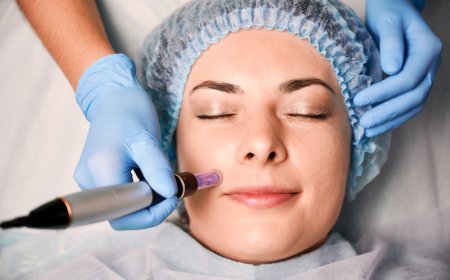
A typical laser session for melasma may last between 20 to 45 minutes, depending on the size of the area being treated. Most patients describe the sensation as a mild snapping or heat sensationuncomfortable but not painful. Some clinics may apply a numbing cream beforehand to enhance comfort.
After the session:
-
You may experience slight redness or warmth for a few hours to a day.
-
Pigmentation may darken slightly before it begins to fade.
-
Flaking or peeling is mild and temporary.
-
Sunscreen must be used consistently post-treatment to prevent recurrence.
Multiple sessionsusually 4 to 6 spaced 24 weeks apartare required to see significant results.
Effectiveness of Laser Treatments for Melasma
Laser treatments are highly effective for many patients, especially those with stubborn or deep melasma that hasn't responded to creams or peels. Key benefits include:
-
Targeting deeper pigment that topical agents cant reach.
-
Faster results compared to topical regimens alone.
-
Skin rejuvenation, including improved texture, tone, and clarity.
-
Customizable treatment based on skin type and pigmentation depth.
However, its important to note that melasma is a chronic condition. While laser treatments can significantly reduce pigmentation, ongoing maintenancethrough sun protection and occasional follow-up treatmentsis necessary to keep the condition under control.
Are There Risks or Side Effects?
Yes, while generally safe when performed by experienced dermatologists, laser treatments are not without risks. These include:
-
Temporary redness, swelling, or irritation
-
Post-inflammatory hyperpigmentation (PIH), particularly in darker skin tones if incorrect laser settings are used
-
Hypopigmentation, or light patches on the skin
-
Melasma rebound, where the pigmentation returns, sometimes more intensely
To reduce these risks, proper pre-treatment evaluation, patch testing, and use of the correct laser type are essential. This is why its crucial to have laser treatments at a reputable clinic with dermatologists who specialize in pigment disorders.
Who Is a Good Candidate for Laser Melasma Treatment?
Ideal candidates include individuals who:
-
Have tried topical treatments and peels with limited success
-
Have epidermal or mixed-type melasma
-
Understand that melasma is manageable but not curable
-
Are committed to sun protection and follow-up care
-
Are not pregnant or breastfeeding
-
Have realistic expectations about results
People with very dark skin tones or those with a history of pigmentary disorders may be advised to consider alternative or combination treatments instead of laser monotherapy.
Cost of Laser Treatments in Islamabad
The cost of laser melasma treatments in Islamabad varies depending on the clinic, type of laser used, and the number of sessions required. On average, a single session may range from PKR 10,000 to PKR 25,000. Most patients require multiple sessions for optimal results, and some clinics offer discounted packages.
Its essential to consider the value of safe, effective care over opting for the lowest priceparticularly with a condition as sensitive as melasma.
Combining Lasers with Other Treatments
Many dermatologists in Islamabad use a combination approach to enhance laser treatment results. This may include:
-
Topical brightening creams
-
Chemical peels
-
Microneedling
-
Oral medications like tranexamic acid
-
Supportive treatments like Hydrafacials for skin health
This comprehensive plan addresses both the pigment and its underlying triggers, making long-term control more achievable.
Conclusion
Laser treatments offer a powerful and effective solution for managing melasma, especially for those who have not found relief through creams or chemical peels. While they are not a permanent cure, they can significantly lighten pigmentation and improve skin clarity when performed by skilled professionals. As always, results vary depending on the individuals skin type, melasma severity, and commitment to post-treatment care, especially sun protection.
For patients in the capital city seeking safe and customized care, the SKN Cosmetics clinic in Islamabad provides advanced laser treatments tailored specifically for melasma. Their expert dermatologists utilize cutting-edge technology and evidence-based techniques to deliver visible, lasting results in a safe, controlled environment.